Discover buy fair trade tea Canada for high-quality loose leaf and bagged teas
Explore the Universe of Fair Trade Tea: Exceptional Brews That Champion Sustainable Practices
Fair Trade learn more tea showcases a harmonious balance of quality and integrity. Each cup furnishes a distinct taste composition while backing responsible agricultural approaches. This methodology not only elevates the tea experience but also supports marginalized farmers. Grasping its sources and certification processes reveals richer dimensions of consequence. As consumers become more intentional about their choices, the reach of Fair Trade tea spreads past flavor. What exists below the layer of these determinations?
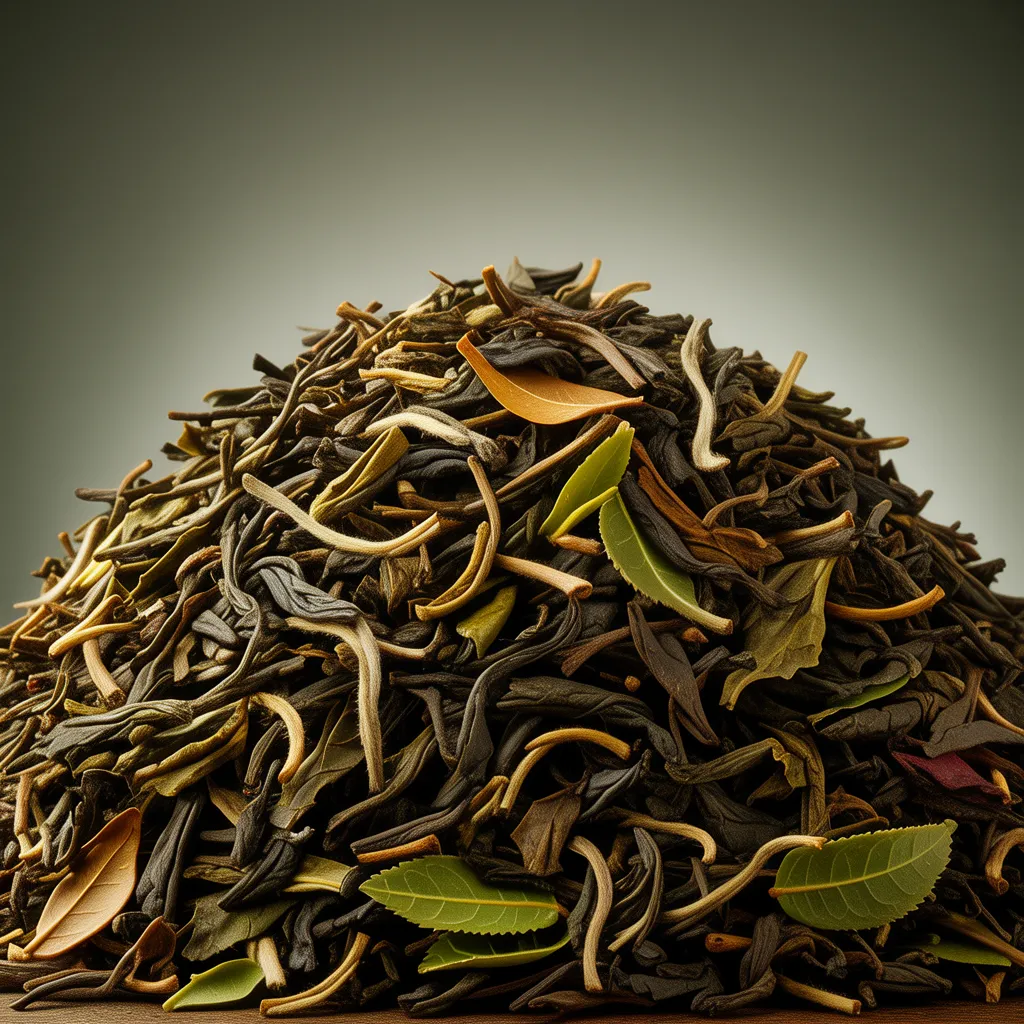
Reveal the History of Fair Trade Tea
Fair Trade tea stems from the social and economic drives focused on bettering the fortunes of marginalized farmers. Taking shape in the late 20th century, this initiative worked to tackle unfairness in global trade, in particular in developing countries where tea is regularly grown. The campaign gained traction as consumers became increasingly aware of the harsh conditions faced by grassroots growers, including unfair pricing and abuse by multinational companies.
Through collaborative frameworks, Fair Trade sought to empower these farmers, ensuring they obtained fair payment and support for eco-friendly agricultural methods. The movement also focused on advancing environmental responsibility, encouraging organic farming and biodiversity. As awareness increased, Fair Trade tea functioned as a representation of ethical consumption, connecting consumers directly with the origins of their beverages. By choosing Fair Trade tea, individuals contribute to a larger vision of social justice and economic equity, building a more sustainable future for tea-growing communities.
Comprehend ethical commerce for sustainable operations
Comprehending Fair Trade certification is crucial to recognizing how sustainable practices are upheld within the tea industry. This certification guarantees that producers receive fair wages and work under safe conditions, which directly contributes to community development. Fair Trade standards encourage environmentally sustainable farming methods, reducing the use of harmful chemicals and encouraging biodiversity.
Certification enhances clarity in the distribution network, allowing consumers to track their tea back to its source. By following these standards, farms engage in methods that safeguard environmental assets and sustain local ecosystems. Additionally, Fair Trade groups often deliver learning materials and training to farmers, equipping them to enhance their farming techniques and economic stability.
In the final analysis, Fair Trade certification elevates the quality of tea while synchronizing consumer preferences with ethical and sustainable beliefs, establishing it as an essential aspect of the tea industry's devotion to societal responsibility and environmental guardianship.
Browse Leading Types of Fair Trade Tea
While many tea admirers cherish the robust taste and aroma of various brews, exploring the top varieties of Fair Trade tea exposes a more earnest devotion to responsible farming and planet-friendly methods. Some popular options include Fair Trade Assam, distinguished by its bold, malty taste, and Fair Trade Darjeeling, often known as the "Champagne of teas" for its subtle floral essence. Another notable variety is Fair Trade Earl Grey, seasoned with bergamot, furnishing a unique citrus twist.
Moreover, Fair Trade Green Tea, lauded for its energizing qualities and health benefits, is increasingly favored among health-conscious consumers. Herbal blends, such as Fair Trade Chamomile and Peppermint, also distinguish themselves, providing soothing and calming effects. Each of these varieties not only yields exceptional flavor but also assists farmers and communities working for better livelihoods, making them a responsible choice for tea lovers seeking quality and ethical assurance.
Brewing Fair Trade Tea: Directions for a Wonderful Cup
To brew the ideal cup of Fair Trade tea, focus is important, since the proper procedures can boost the tea's special flavors and scents. Initially, the quality of water is of utmost importance; using purified water guarantees a fresh flavor that allows the tea's traits to be highlighted. The water temperature is also essential; tea types demand particular heat levels; black tea is brewed with boiling water and green and herbal teas need cooler temperatures.
Following this, the soaking duration needs to be accurately tracked. Excessive steeping can generate bitter notes, while inadequate steeping may not capture the complete taste spectrum. A common benchmark is 3-5 minutes for black tea and 2-3 minutes for green tea.
Finally, utilizing the correct tea-to-water ratio improves the flavor; one teaspoon of loose tea per cup is a good foundation. By following these tips, tea enthusiasts can completely enjoy the abundant selection of Fair Trade tea.
Ecological Impacts of Responsible Tea
Brewing Fair Trade tea not only enhances the tea experience but also supports sustainable agricultural practices that advantage the ecosystem. Fair Trade certification encourages farmers to use natural cultivation techniques, which minimize the dependence on harmful pesticides and fertilizers. This method fosters biodiversity, aiding in the protection of local ecosystems and safeguard animal sanctuaries.
Furthermore, Fair Trade approaches often focus on soil health and water preservation, ensuring that tea cultivation does not drain essential resources. By assisting small-scale farmers, Fair Trade also fosters agroforestry, which combines tea cultivation with other crops and trees, further boosting environmental resilience.
Additionally, Fair Trade tea frequently contains environmentally responsible packaging and delivery systems, decreasing the greenhouse gas emissions connected to its distribution. In summary, selecting Fair Trade tea represents a conscious effort to foster a more sustainable agricultural system that honors both the Earth and its people.

The Way Your Tea Choice Boosts Communities Worldwide
Investing in Fair Trade tea strengthens global communities by delivering agricultural workers with equitable compensation and enhanced labor situations. This commitment assures that tea producers can preserve their livelihoods while supporting their families and community markets. By purchasing Fair Trade tea, shoppers promote the expansion of significant local services, like education and health support.
Fair Trade certification encourages responsible conduct, requiring businesses to adhere to guidelines that emphasize employee protections and environmental sustainability. As a consequence, farmers are incentivized to grow high-quality tea, which not only enhances their income but also fosters satisfaction in their work.
Additionally, the direct trade relationships established through Fair Trade eliminate predatory middlemen, permitting farmers to engage with consumers worldwide. This clarity fosters trust and encourages a global appreciation for the cultural significance of tea. Ultimately, each cup of Fair Trade tea serves as a testament of the constructive influence individuals can have on international societies through deliberate shopping.
Commonly Inquired Questions
How Can I Recognize Fair Trade Tea Items in Stores?
To recognize fair trade tea products in stores, one should look for certified marks, such as Fair Trade Certified or Rainforest Alliance. Additionally, investigating companies committed to ethical sourcing can aid in selecting quality products.
Do Fair Trade Tea Products Offer Any Nutritional Advantages?
Fair trade tea may supply various wellness benefits, featuring antioxidants that support heart health, improved digestive health, and enhanced cognitive focus. Also, environmentally conscious sourcing methods enable sustainable farming, ultimately promoting a cleaner environment and community wellness.
Do I Locate Ethically Sourced Tea Available in Digital Shopping Platforms?
Yes, fair trade tea is widely available in digital platforms. Multiple vendors stock a variety of brands and blends, ensuring consumers can easily access responsible alternatives that support both eco-friendly practices and equitable compensation.
In What Ways Does Fair Trade Tea Impact Local Economies?
Fair trade tea benefits local economies by providing farmers with fair wages, fostering community development, and encouraging sustainable farming practices. This support improves living standards, promotes economic stability, and enables communities to allocate resources toward education and healthcare.
How Do I Maintain Fair Trade Tea for Maximum Freshness?
To boost freshness, fair trade tea should be stored in a airtight container, shielded from humidity, light, and pungent smells. Maintaining it in a cool, dark place helps preserve its flavor and aroma over time.